
Design is healthcare.
Goal
Understand and improve psychosocial impacts of medical technology through healing-centered design.

Work
Patents (Abbott)
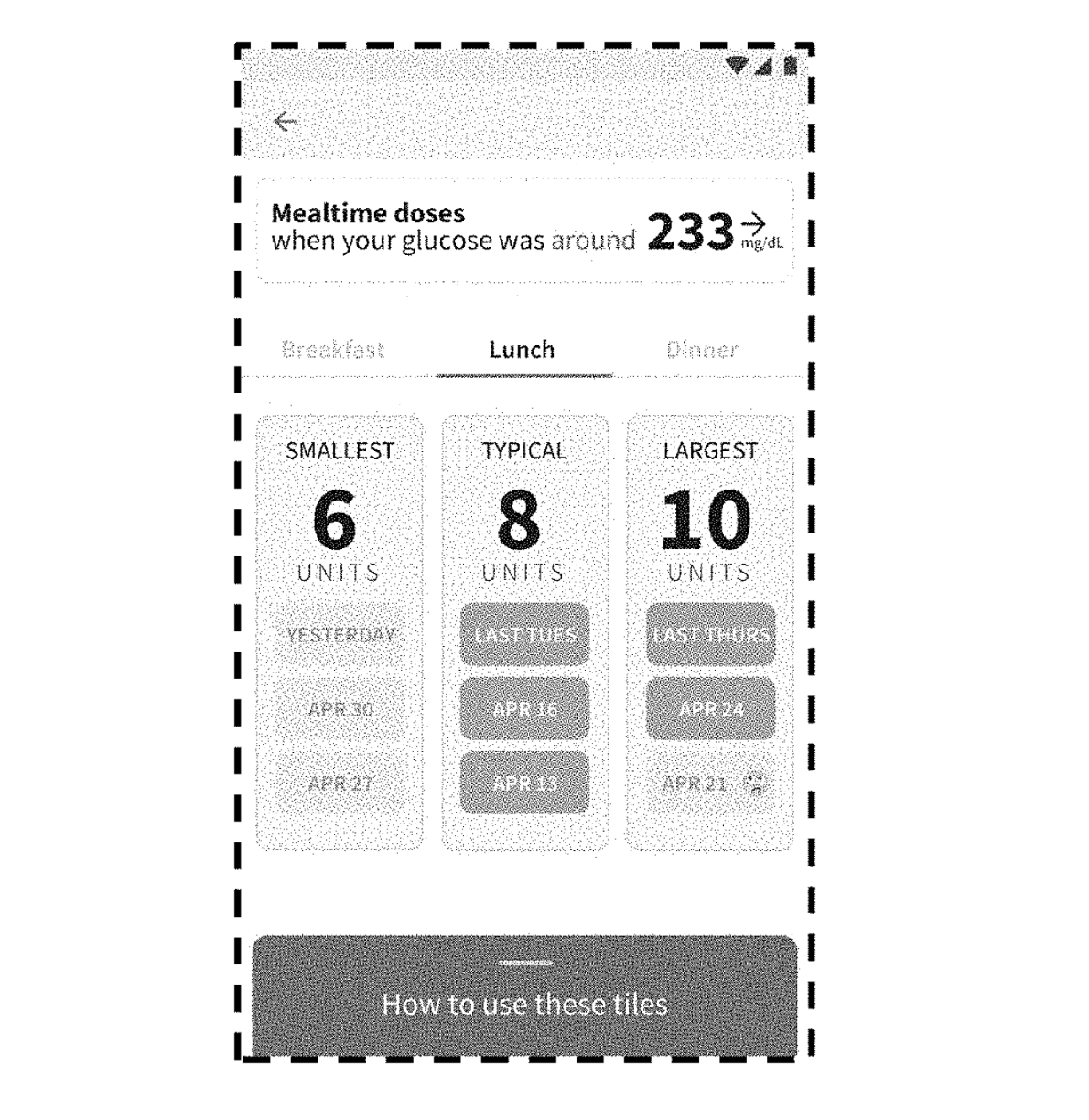
12 patents for future states of diabetes technologies for patients, caregivers, and providers.
Details
Background: I bring a unique value to the table while working in the diabetes industry as a product designer, innovator, and person with diabetes. I have been the lead designer on many future-state product offerings for Abbott Diabetes Care. While most of this work is still confidential, I can exemplify a portion of my contribution through patents. The majority of these are related to applications that display patterns of past insulin doses to facilitate easier and more effective insulin dose decisions.
Approach: While each project is unique, I work closely with program managers to identify goals, support storytelling to stakeholders, provide guidance and stimuli to researchers, and identify opportunities through iterative prototyping and UX/UI design. If a project gets approved for development, I prepare Figma files for developer handoff and work with system engineers to clarify and finalize UI flows.
Outcome: 12 patents (and counting).
- Patent US20230207090A1 ->
- Patent EP4158643A1 ->
- Patent USD0974382S1 ->
- Patent EP4288970A1 ->
- Patent AU2022216248A1 ->
- Patent AU2021279026A1 ->
- Patent WO2022226077A1 ->
- Patent US20220338803A1 ->
- Patent WO2022169856A1 ->
- Patent US20220249779A1 ->
- Patent CA3175567A1 ->
- Patent WO2021243016A1 –>

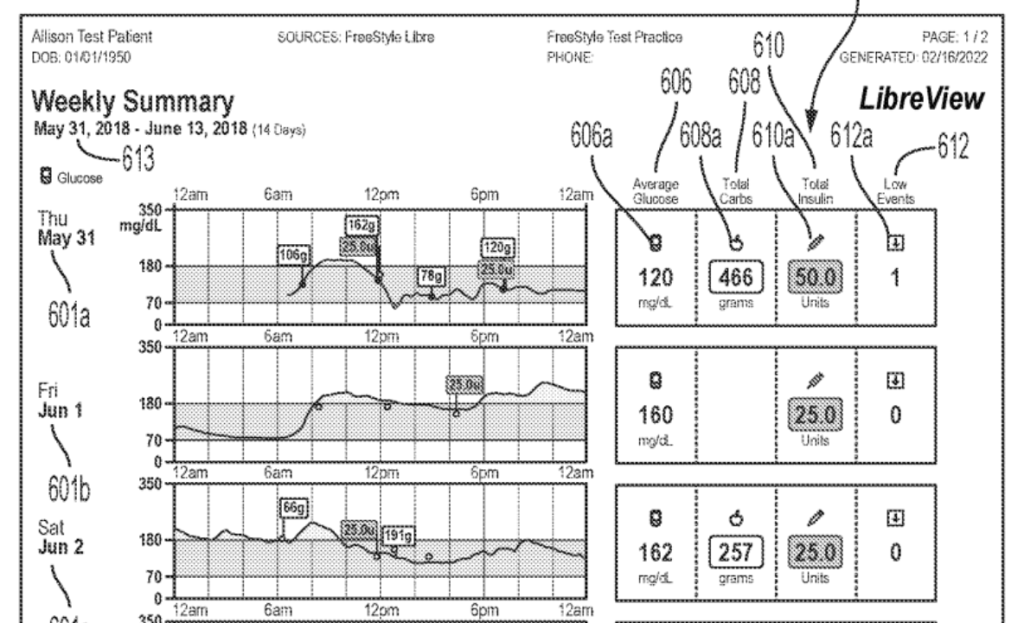
Abbott + Novo Nordisk

Mobile app that reduces the burden of dose logging by integrating a scannable insulin pen with a continuous glucose monitor.
Details
Background: Logging insulin is important for learning from the past and making changes for the future. However, it is time consuming, boring, and difficult to commit to doing multiple times a day — especially during social events like meals. Abbott Diabetes Care and Novo Nordisk partnered to make tracking glucose and insulin data much easier by enabling one app to capture and display these crucial datasets. Abbott’s on-market continuous glucose monitor app needed insulin pen onboarding, setup, scanning, log entries, device management, and support UX/UI.
Approach: As a lead product designer contracting with Abbott, I worked on this from initation to developer hand-off. During the project lifecycle I designed UX/UI, presentations, working sessions with stakeholders, and stimuli for rounds of research in multiple countries where we tested interactive prototypes. Once we were confident in the approach, I prepared pixel perfect screens and specifications for iOS and Android development.
Outcome: The FreeStyle LibreLink app with NovoPen integration is available in 21 countries for both Android and iOS.
Pager + BCBS

Health insurance app that enables access to virtual care 24/7 through a nurse chat feature.
Details
Background: Needing medical care is not something that always fits into 9AM to 5PM from Monday to Friday. Pager is a virtual care platform that offers a variety of services that include 24/7 virtual nurse chat and triage, appointment scheduling with assistance from care coordinators, telemedicine, aftercare follow-up, and more. In September 2017, Pager entered into an engagement with BlueCross BlueShield Horizon to integrate their nurse chat feature into the Horizon member app.
Approach: I worked directly with Pager’s President, Gaspard de Dreuzy, on their first white label app design. After identifying goals and 10 rounds of UX/UI design iteration, a final prototype was prepared and handed off for development.
Outcome: Horizon BlueCross BlueShield began delivering Pager’s nurse chat feature to iOS and Android app customers in January 2018.
Diagram + Amgen

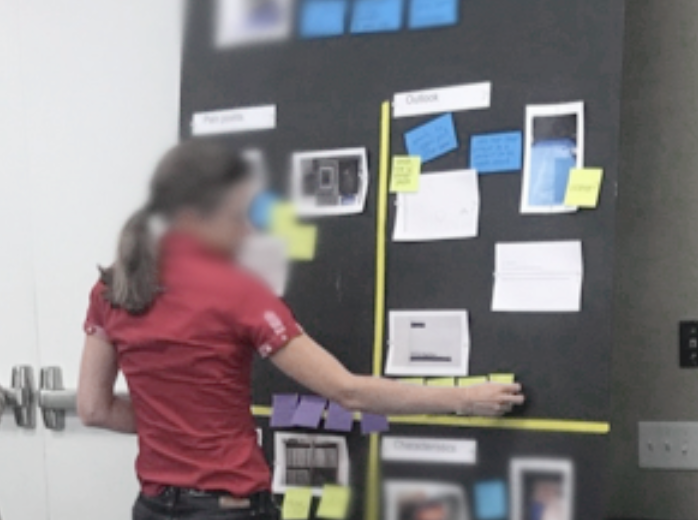
Participatory synthesis workshops to facilitate client engagement in patient treatment journeys, pattern finding, and problem solving.
Details
Background: Synthesizing patient stories and experiences from research creates a kind of parasocial relationship with research participants — which is actually a great foundation for design. Tina Park and Miya Osaki, the founders of Diagram, have been using the tools of design research in healthcare for many years. They saw how involving clients in the synthesis process helped solidify a unique mission-driven approach. I was honored to support their projects working with Amgen and other clients on large scale workshop strategy, activity design, and preparation.
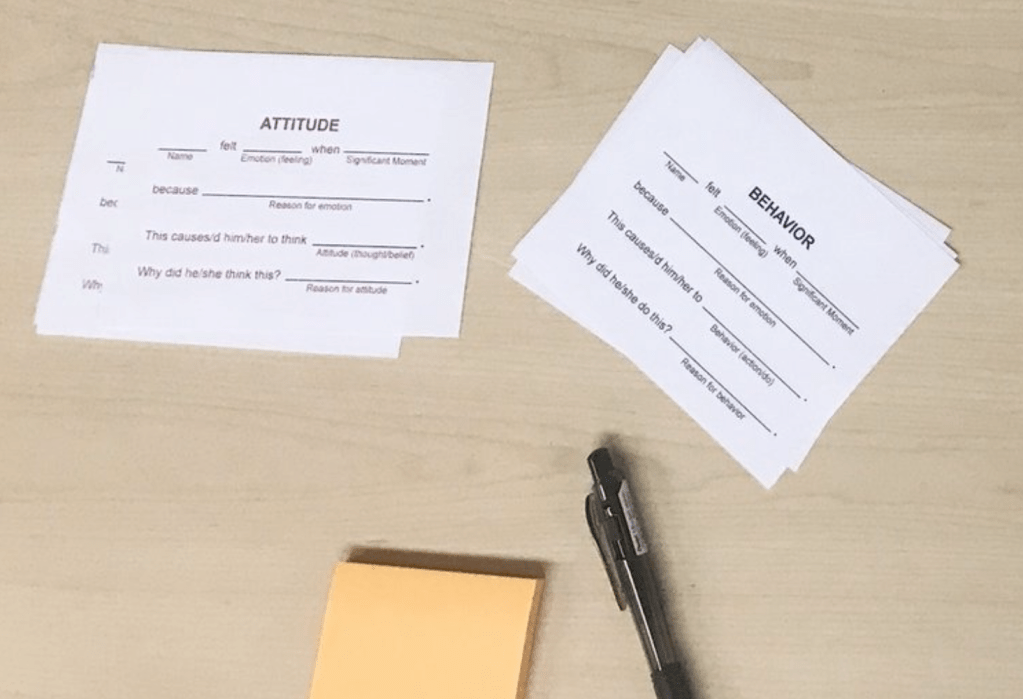
Approach: We discussed goals, ideated approaches, and gathered feedback. In preparation for the participatory synthesis workshops, we designed activities and materials such as patient quotes, cultural probe snippets, prompts, and photos. For the day of the workshop, we established an iterative and creative environment, distributed activities, facilitated, and documented.
Outcome: Participating in the synthesis of patient experiences offered Amgen a new and nuanced view of journeys, painpoints, and opportunities. This work informed Amgen’s approach for communicating with those living with chronic illnesses such as congestive heart failure, lupus, and post-menopausal osteoporosis.
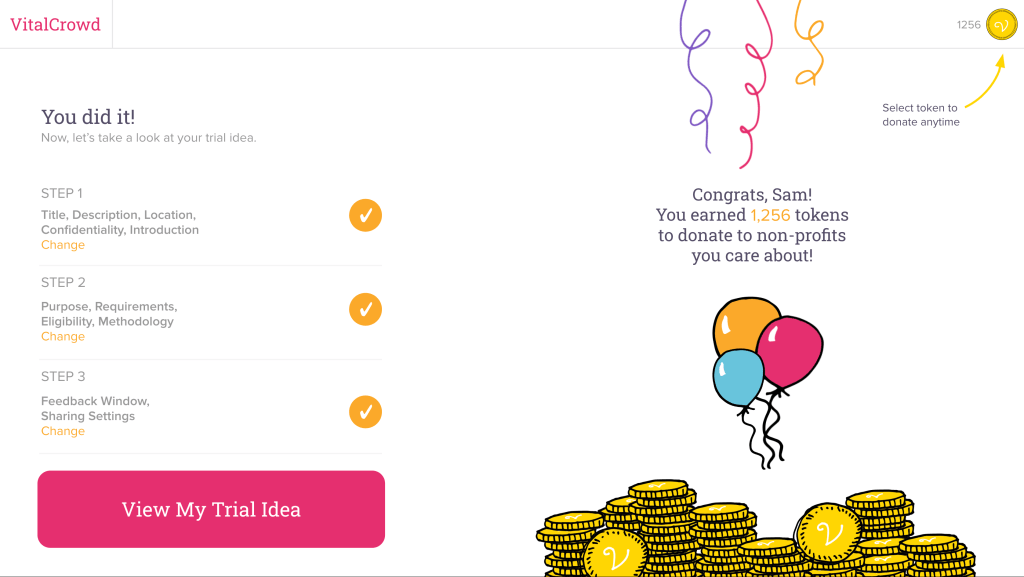
VitalCrowd

Web concept for clinical researchers and disability communities to collaborate on clinical trial ideas.
Details
Background: Clinical trials can be disconnected from the realities and priorities of disability communities, causing trials to fail. Living with disabilities creates an expertise that can be respected through opportunities to initiate and participate. Anna McCollister-Slipp, Chief Advocate for Participatory Research at Scripps Translational Science Institute, had an idea for a platform to enable clinical trial researchers and disability communities to collaborate on clinical trial protocols.
Approach: Using the Double Diamond Design process, I worked to understand the vision, created low fidelity wireframes, conducted precedent and formative research with clinical researchers and game designers to identify painpoints and opportunities to incentivize engagement. I then iterated on mockups and prototypes, conducted user testing, and applied all of this information toward a final design prototype. See Process Documentation ->
Outcome: Delivered an interactive prototype that enabled engagement with web developers and Janssen Research to develop a beta version, pharma studies, and analyses.

HHS + AARP

Web and mobile concept to address the compounding emotional toll of managing health and medical billing.
Details
Background: Medical billing is a source of confusion for patients and families. Prompted by The Obama Administration and hosted by HHS and AARP, this challenge asked designers to improve the medical billing process and help Americans understand the financial aspect of health.
Approach: My collaborator, Jacob Brancasi, and I examined materials provided, conducted research with older adults, identified areas of opportunity from emotionally-focused journey maps, and proposed a web/mobile solution to help people be better supported and prepared for a known upcoming health event.
Outcome: Honorable Mention for “A Bill You Can Understand” design challenge.


Children’s Health
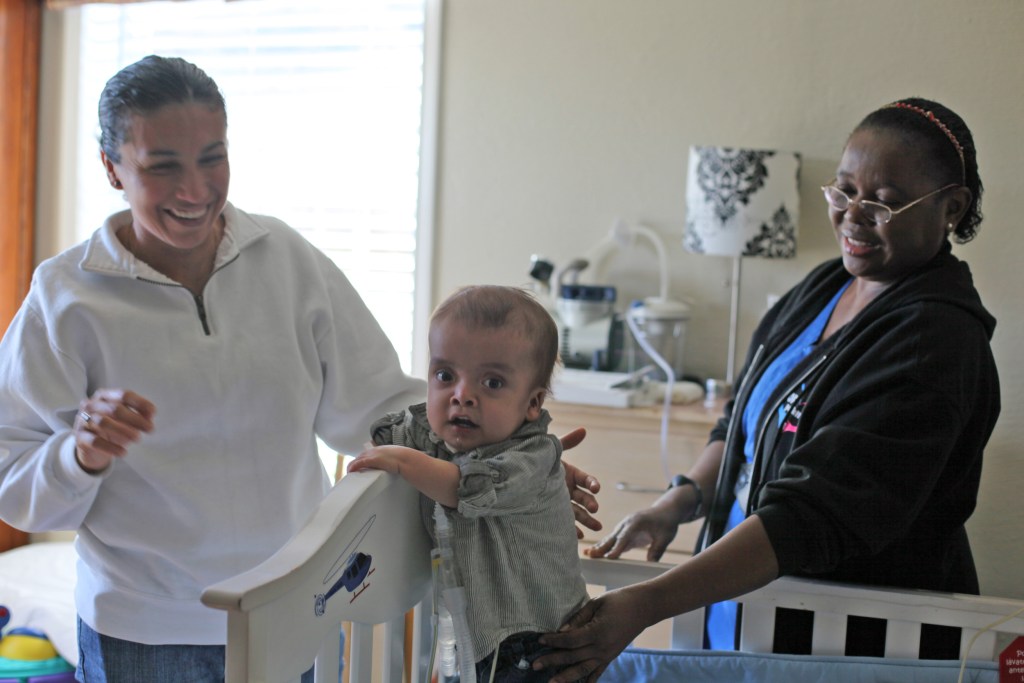
Research to inform wraparound services for a hospital program serving medically complex children and their caregivers.
Details
Background: HHS (Health & Human Service Commission) awarded a Medicaid contract to Children’s Health in Dallas for the STAR Kids Program, a health plan catered to children with medical complexity. STAR Kids became the first Medicaid-managed care program serving children using disability-related Medicaid. In this expansion of Medicaid-managed care, Children’s Health needed to better understand their needs to identify which wraparound services to offer.
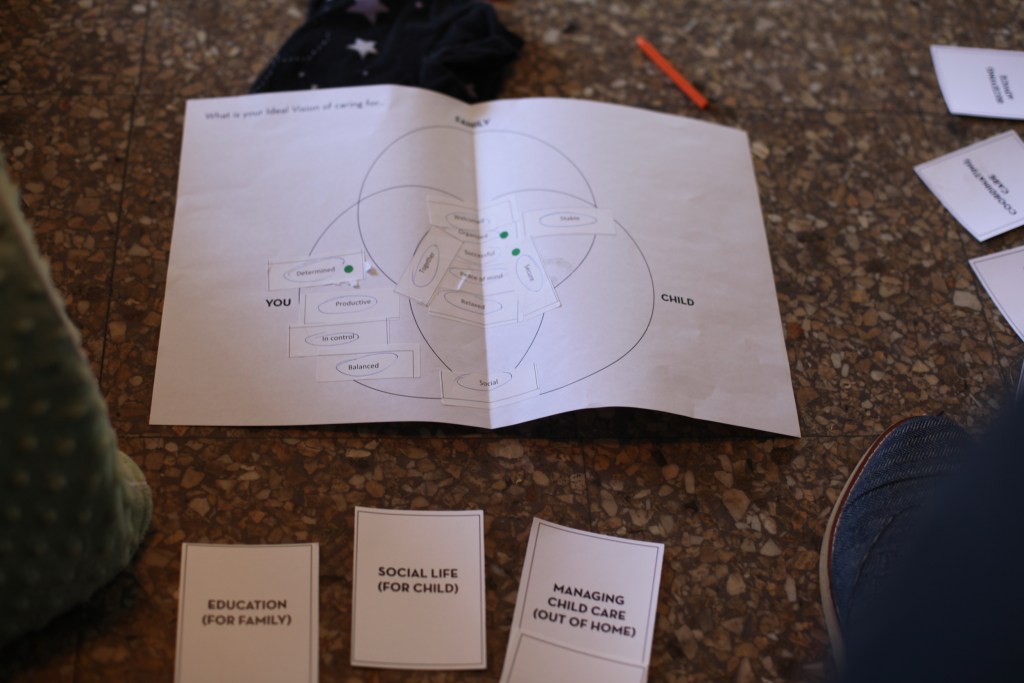
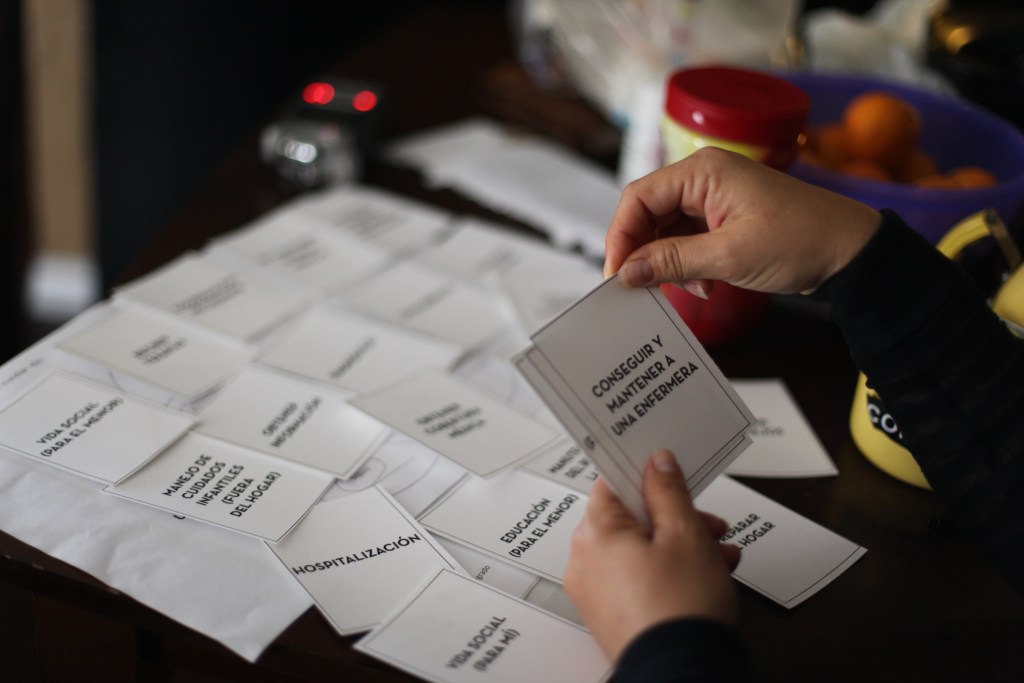
Approach: I met with stakeholders at the Complex Care Clinic to understand their needs, planned a research strategy, recruited families, and designed cultural probe activities for research. My collaborator, Jacob Brancasi, and I interviewed 17 families, facilitated activities, synthesized findings, and delivered a thorough presentation to Children’s Health.
Outcome: The opportunity areas we identified and presented were inclusive of the entire family and home environment, not just the child. Around 20,000 children with medical complexity and their caregivers now have access to unique value-added services in the Dallas area. Example services offered in the STAR Kids Plan -> because of our work include:
- Respite care
- Supported employment
- Financial management services
- Adaptive aids
- Employment assistance
- Flexible family support services
- Minor home modifications
- Transition assistance services
Intel
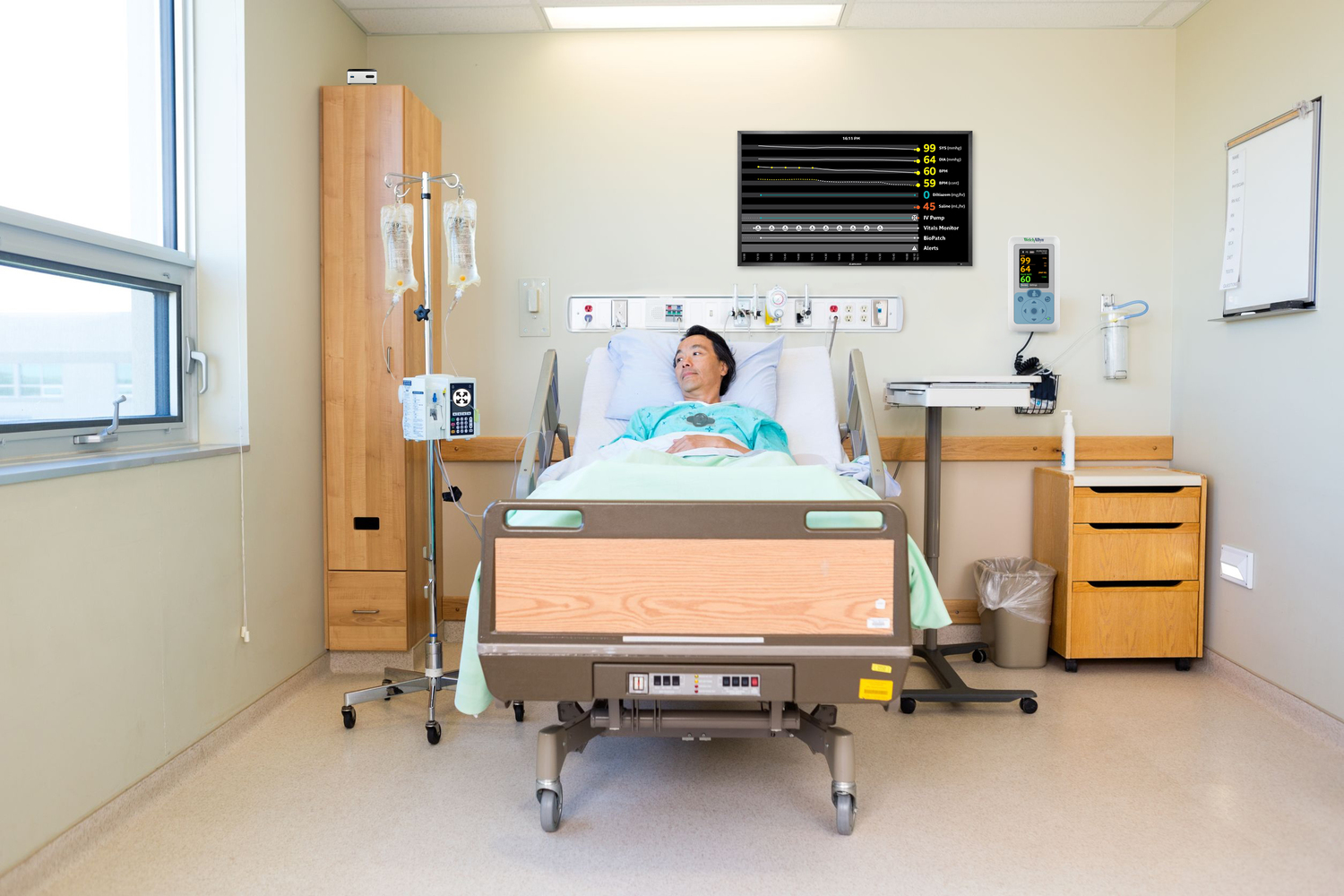
Experiential concepts of a data-integrated hospital room to aid acute care clinicians in better decision-making, care delivery, and patient safety.
Details
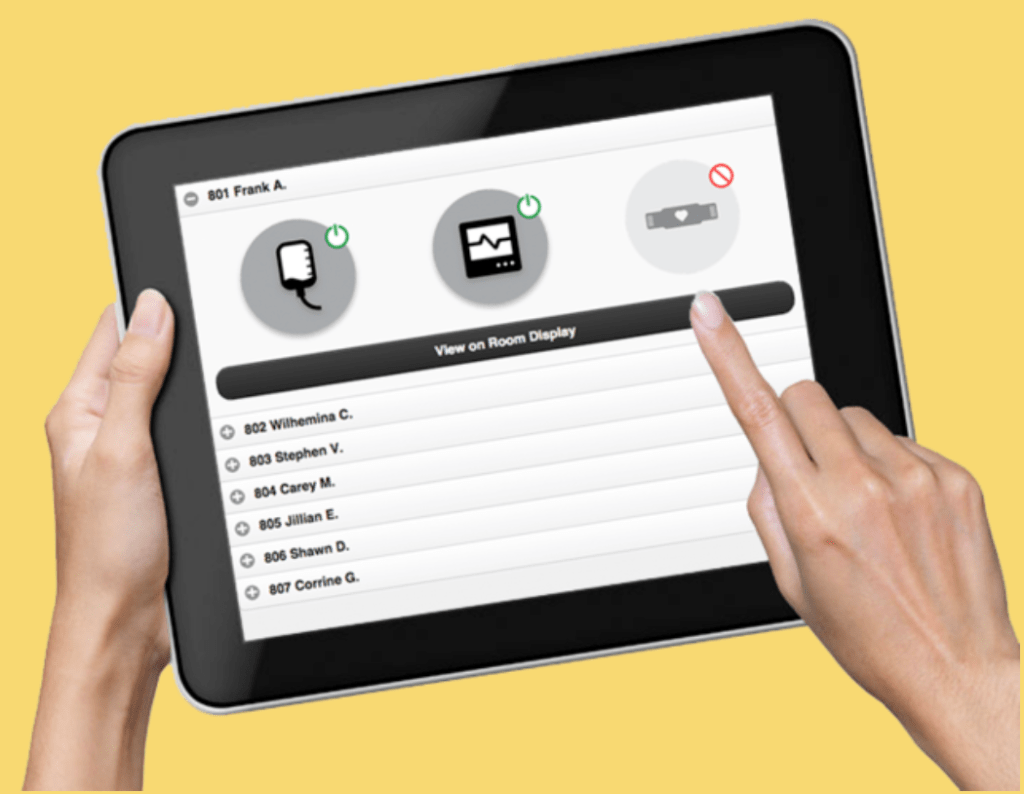
Background: As Lead Healthcare Experience Designer at Intel, I worked on a team that supported organizational verticals in identifying opportunity areas for their products in healthcare environments. One area highlighted by Lead Healthcare Researcher, Dr. Monique Lambert, was the lack of real-time interoperability between medical devices in the acute care environment. She knew from past research that clinicians must process and act on a growing volume of device-generated data, with very little time. She identified Intel’s Next Unit of Computing (NUC) product — a small-form-factor barebone computer kit — as a technology to help facilitate the interoperable hospital room of the future.
Approach: I worked with cross-functional colleagues in research and engineering, as well as internal clients, to strategize and bring concepts to life through looks-like and works-like interactive prototypes, visual mock-ups, and presentation / poster materials for our team’s “Open House”.
Brainlab

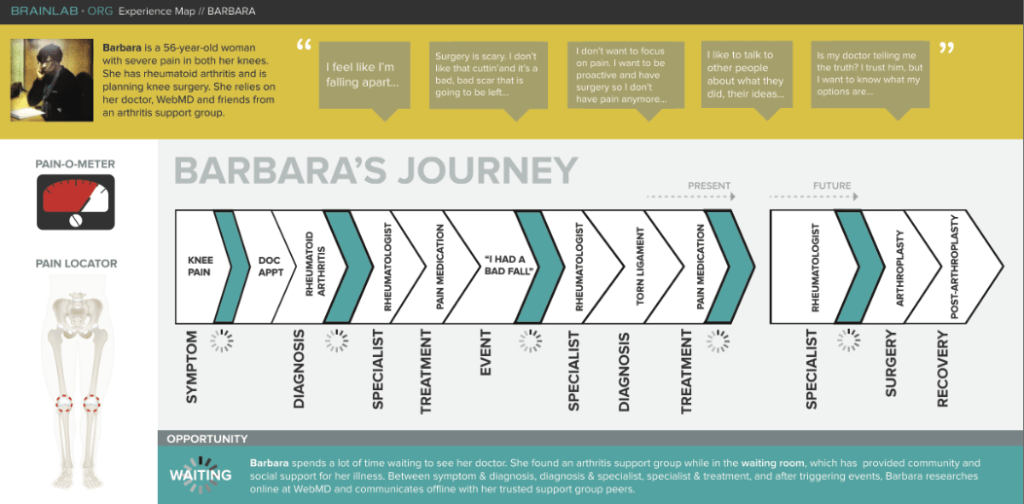
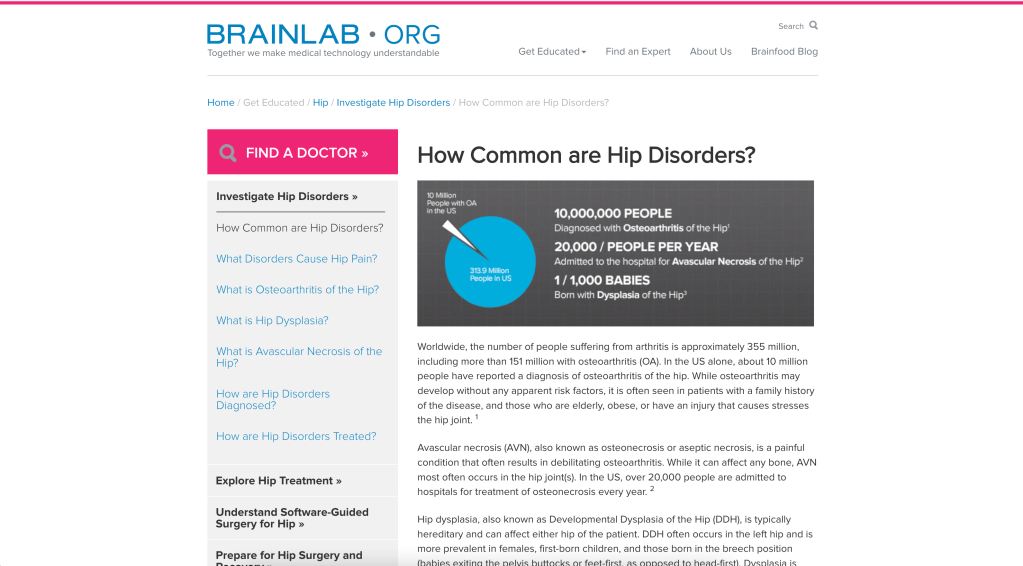
Website for pre-surgical patients to learn about medical conditions, find surgeons, and demystify surgical software.
Details
Background: Finding out that you have a new diagnosis and need surgery is both extremely daunting and overwhelming. Getting good care is a privilege — not a guarantee — and educating and advocating for yourself is crucial. Brainlab creates software and hardware to improve critical surgeries, radiosurgery treatments, and operating room efficiencies. When I first joined Brainlab, I worked on brand strategy and digital marketing efforts. After a few years of designing campaigns and events, I saw an opportunity for improving patient experiences. I knew that Brainlab could reach beyond their audience of surgeons with something to offer patients — an added sense of reassurance that comes from software-guided surgery and how to find surgeons who use these tools.
Approach: Once I developed a vision, strategy, and plan, I pitched it to the CEO. As it turned out, this was something he had been wanting to do for years. Together we developed a strategy for the company’s first online patient education initiative and I began a discovery phase with pre-surgical patients. We held a series of design studios with people anticipating an upcoming hip or knee replacement surgery for the purpose of understanding unmet needs in information and support. In a secondary phase, I created patient journeys and developed prototypes to gain feedback on content and design. After rounds of research and design iteration, new internal team was created to support this effort and the website launched.
Outcome: Brainlab.org is a success as it has expanded beyond the original scope of hip and knee surgery content to provide education, reassurance, and hope to other pre-surgical patients, such as those needing brain, lung, or spine surgery.
Hanky Pancreas

Fashion design and ecommerce company to improve the psychosocial impact and comfort of insulin pumps for women.
Details
Background: During my graduate thesis at Parsons, I focused on the psychosocial impact of medical technology and, specifically, insulin pumps. In my early desk research on diabetes and psychology, I learned of the higher rates of depression, anxiety, and disordered eating associated with diabetes and how girls/women are at even higher risk. By then, I had been living with type 1 diabetes for 20 years, and had personal experiences that aligned with these findings, but no endocrinologist had ever discussed mental health. Discovering this was validating and frustrating, and I became forever driven to do work around the psychological impacts of disability.
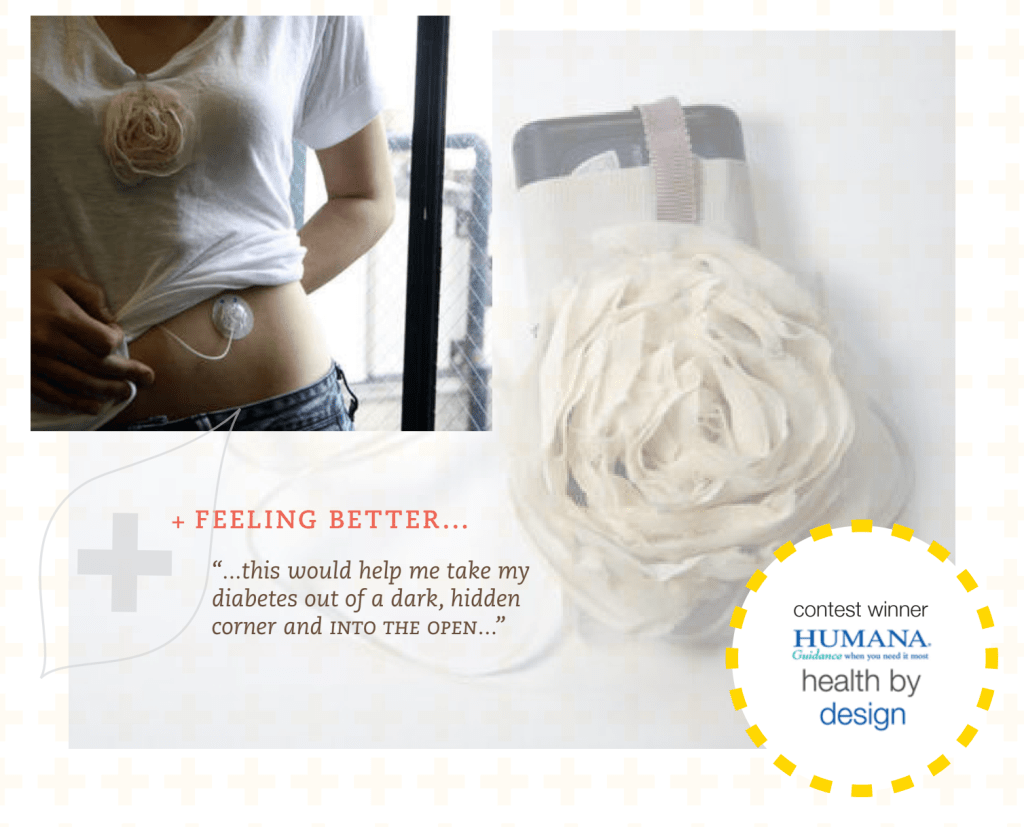
Approach: I began by conducting research within a community of women with diabetes — listening to their stories, distributing surveys, and observing behaviors. There were unique insulin pump wear behaviors specific to women, such as being unsure of when/how to discuss insulin pumps in social situations and concealing or practically storing the insulin pump in their cleavage. The way the insulin pump looked did not reflect their identity, made them feel vulnerable to judgment, or invited conversation they were not ready for or interested in. Once I understood these insights, I began prototyping how to make the insulin pump more wearable, joyful, and optionally social for women.
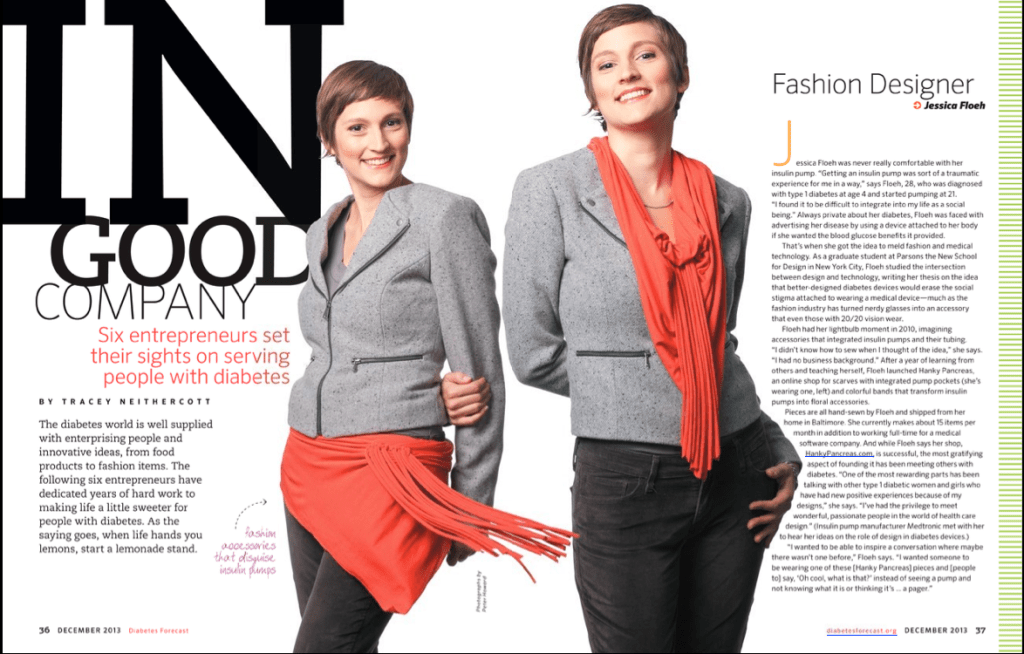
Outcome: I created an initial set of prototypes for my thesis exhibition — accessories that protected and embellished the insulin pump while being stored in a bra. My work received coverage in the diabetes online community and eventually got the attention of Medtronic, the lead insulin pump manufacturer. A month after graduating Valedictorian from my MFA program, I spoke at Medtronic’s customer forum and iterated on new designs with lead engineers. While working fulltime in various corporate healthcare roles during my early career, I handmade 400 accessories for people with diabetes all over the world. This work received innovation awards, such as from The Mayo Clinic, was exhibited internationally, such as at the Design Museum of Barcelona where an early prototype is in their permanent collection, and was featured in various media such as Diabetes Forecast Magazine, CNN, and NPR. This project changed my life, launched my career, and improved my relationship to diabetes.

JDRF
Co-design event for children with diabetes to transform insulin pumps into something of their own creation.
Details
Background: After reading Design Meets Disability by Graham Pullin, I became fascinated by the potential of design in the sterile world of medical devices and adaptive aids. As an experiment in trauma-informed co-design, I wanted people living with diabetes to feel a sense of ownership and joy in the insulin pump form factor.
Approach: I had a vision of an event where individuals could decorate insulin pumps. The Juvenile Diabetes Research Foundation’s annual Walk For The Cure was coming up, and I contacted them to see if any booths were available. I contacted Insulet, maker of the OmniPod insulin pump, to see if they had any materials to donate. Inspired by and supportive of what I was trying to do, wonderful people at JDRF provided a booth pro-bono and Insulet donated 100 insulin pump pod casings. I purchased arts and crafts supplies like glue, googley eyes, craft paper, pipe cleaners, and stickers. During the event, I set up my booth, met kids and their families, and observed what happened.
Outcome: The kids intuitively took to the creative process. After seeing smiles and pride in what they created, I saw the potential of co-design, enabling control, and facilitating joy in medicalized objects.


Exchange
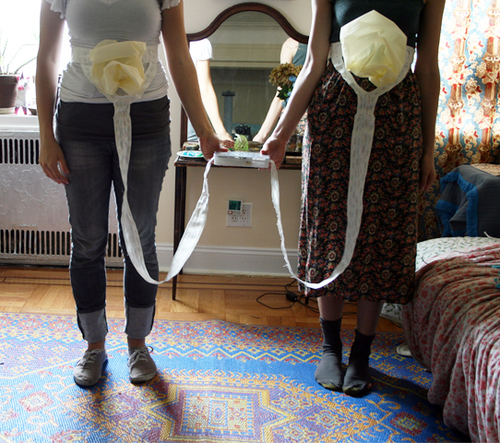
Prototype of a connected “breathing” wearable to mimic another persons inhale/exhale and achieve co-regulation.
Details
Background: During my undergraduate and graduate studies, I sometimes explored topics using physical computing. For my final project in Interactive Design Studio at Parsons, I was interested in the social interactions arising from the externalization of internal organ functions. I wondered if externalizing our lungs’ internal function of breathing could create both social and psychological co-regulation.
Approach: I diverged by exploring precedents, such as Ben Dalton’s Inflatable Rabbits and Kelly Dobson’s Scream Body, and prototyped in rounds of iteration, such as with an aquatic air pump and balloons, stretch sensor, and wearable band with LEDs. I converged on a final schematic and prototype with a CPU fan and shower caps.
Outcome: Using stretch sensing technology, one person’s inhalation and exhalation triggered the other’s wearable to inflate and deflate. The experience created an interesting dynamic of focused attention and care to the breath of the self and other.

Capabilities
Researching
Desk research, strategy, goal definition, activities, stimuli, and documentation.
Synthesizing
Workshop facilitation, affinity mapping, painpoints and opportunities identification.
Storytelling
Scenarios, personas, storyboards, journey maps, and presentations.
Creating
Wireframes, prototypes, UI/UX, specs, and strong design rationale.
Ethos
Community Scholarship
Understand and honor disability community behaviors, wisdom, ways of living, and creativity.
Participatory Approach
Position those with lived experience as key drivers and stakeholders of change.
Emotional Innovation
See opportunities in areas that positively or negatively impact the psyche.
Healing-Centered Design
Use design as a tool to increase feelings of safety, respect, connection, dignity, and joy.
About
Hi, I’m Jessica Floeh and I’d like to thank my first insulin pump for turning me into a designer. For 15 years, I’ve been driven to improve the psychosocial impact of medical devices through design. I’ve collaborated with amazing cross-functional teams at Abbott, Diagram, and Intel and hold multiple patents in diabetes innovation. My work touches the lives of people in 21 countries, has received innovation awards from The Mayo Clinic and Humana, and was featured in Diabetes Forecast and CNN.
